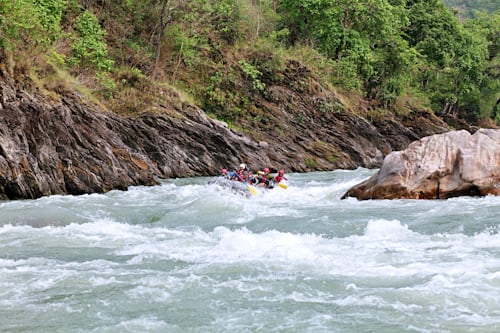
• How to Be a Pro at River Rafting Photography

    If you want to capture the best photos of your river rafting trip, you need to understand the basics of taking great photographs. While auto-exposure will always result in under-exposed images, manual exposure will always yield the best results. Try using a telephoto lens to shoot the raft from the front. You can also experiment with slow exposure for capturing panning boats in the rapids. By following these tips, you can be a pro at river rafting photography.


    Make sure you're prepared for every dynamic situation. Before boarding the raft, prepare your camera by packing a waterproof case, lenses, and other necessary gear. Using a DSLR camera will allow you to shoot on flat water and stow it out of the way when it's time to go faster. In rapids, however, you'll want to use a waterproof camera. You can even take pictures while you're wearing a wetsuit, but don't forget to bring a backup.


    You can purchase pictures from a company that specializes in river rafting. Many rafting photo companies will take 25-75 photos of each raft on each rapid. The more pictures taken, the more exciting the rapids will be! Photos taken during your trip are then sold as digital files on memory cards or through cloud photo sharing services. Most photographers no longer use regular film. Before using digital cameras, photographers would use a traditional camera to shoot the pictures, then process them in a photo lab and make prints to sell. Learn more about photography at http://www.dictionary.com/browse/photography.


    Aside from capturing beautiful pictures, river rafting photographers also take pictures of those having fun on the river. Don't worry about whether or not you'll land on your head, as the pictures will prove to be the best if the people are truly enjoying themselves. Those who enjoy acting may choose to play different roles for the camera, but remember to keep safety first. You'll never know what kind of snake river photos your camera may capture.


    Regardless of whether you choose to shoot in manual or in programmed mode, you must be ruthless when it comes to exposing for highlights. It's important to be careful with exposure during this process, because it can make the photo appear overly blown-out. If you can't stand overexposed photos, you should try a different technique to avoid overexposure. If you have high-end cameras, bracketing in programmed mode can help you take better shots.


    While most river trips only take about eight days to traverse the Grand Canyon, a 10-day trip allows you to see much more of the canyon. And in autumn, the sun's low-angle rays make for stunning photo opportunities. As the day draws to a close, the canyon walls begin to fall into the shade and the light is reflected off the rocks, creating soft, warm lighting. It is a perfect time to explore the canyon's natural history and take a photograph of it. Check out more info about this from this link!


  • Using a DSLR for River Rafting Photography

    If you want to take pictures of your whitewater rafting trip, you should always make sure to use a manual camera exposure setting. While auto exposure will typically underexpose your photos, you can compensate by using a telephoto lens, which will enable you to take pictures of the raft from all angles. The telephoto lens should also be waterproof, as it will be prone to water damage. Using a DSLR for river rafting photography is a great option.


    You can purchase pictures from a company that specializes in river rafting. Many rafting photo companies will take 25-75 photos of each raft on each rapid. The more pictures taken, the more exciting the rapids will be! Photos taken during your trip are then sold as digital files on memory cards or through cloud photo sharing services. Most photographers no longer use regular film. Before using digital cameras, photographers would use a traditional camera to shoot the pictures, then process them in a photo lab and make prints to sell at this website.


    Aside from capturing beautiful pictures, river rafting photographers at https://snakeriverphoto.photoshelter.com/gallery-collection/MAD-RIVER/C0000tcwX3Sxlw5o also take pictures of those having fun on the river. Don't worry about whether or not you'll land on your head, as the pictures will prove to be the best if the people are truly enjoying themselves. Those who enjoy acting may choose to play different roles for the camera, but remember to keep safety first. You'll never know what kind of shots your camera may capture.


    Many photographers use underwater cameras that are equipped with a flash. These cameras are great for getting a great photo of a rafting trip, because they can easily capture the water in the process. You can also opt for a camera that has a manual shutter to capture the action in real time. The best pictures will show you and your companions having fun. For example, you can get a photo of you jumping out of your raft while enjoying a moment with your friends. Know more about photography at https://en.wikipedia.org/wiki/Photography.


  • River Rafting Photography Tips

    Whether you're a seasoned photographer or a beginner, you can use your DSLR or other waterproof camera to take pictures while you're river rafting. For the best pictures, be sure to use manual exposure settings, as auto-exposure tends to under-expose the picture. Use your telephoto lens and stop down the lens to increase the exposure time. This will help you capture panning boats in the rapids.


    There are a couple of things to consider before booking your whitewater rafting trip. First, consider how many photos and videos you want to take. If you want to capture every moment of your trip, you should choose a camera that can capture both video and still images. GoPro cameras are excellent for capturing both video and still photos. While every rafting trip is unique, expect to receive three to four videos and a hundred or more photos. After purchasing, the files will be delivered digitally via a download link.


    A good photographer at https://www.snakeriverphoto.com/portfolio will take as many as 25 to 75 photos of your raft during a rapid. The more pictures, the greater the danger and excitement. Professional outfitters rarely have rafts flip over, so the photos will be of a high quality. After the trip, you can purchase the memorable photos on a memory card or through cloud photo sharing services. Historically, photographers would take photos on regular film and then process the images in a photo lab. Now, most companies provide digital files so that you can purchase as many as you like.


    Before your trip, bring along your camera with you. Make sure to bring a tripod. While tripods are best for daytime hiking, they can be too bulky and inconvenient on the river. A tripod will also allow you to slow down the shutter speed so you can think about the composition of the picture. Besides, a tripod also allows you to get a different perspective. So, while you're on a river rafting trip, make sure to take your camera with you. Read full article here!


    When shooting, use manual or programmed exposure to avoid underexposing the highlight. If you're shooting in the dark, use bracketing in programmed mode. If you're shooting in bright light, you can underexpose the shot a little more if you want to get the best photos of the day. For those who want to capture a moment in time, river rafting photography is a great way to do that. Check out this website at https://www.britannica.com/technology/photography for more info about photography.


    In addition to the camera, bring a tripod and a waterproof bag for your camera gear. Also, bring toilet paper and supplies. Besides the camera, make sure you bring some food as well. Your dinner will include fajitas, BBQ chicken, rice, and veggies. A steak may come with sautéed onions and mushrooms, while you'll have enough for lunch. In the evening, you can relax under the canopy of stars as the fresh air lulls you to sleep.


Free Website Created & Hosted with Website.com Website Builder

Create Yours

Create Free Website Now

Stunning Website Templates. Free Domain.
website.com: Get Your .COM Domain for Just $14.77/year No Hidden Fees Register Now